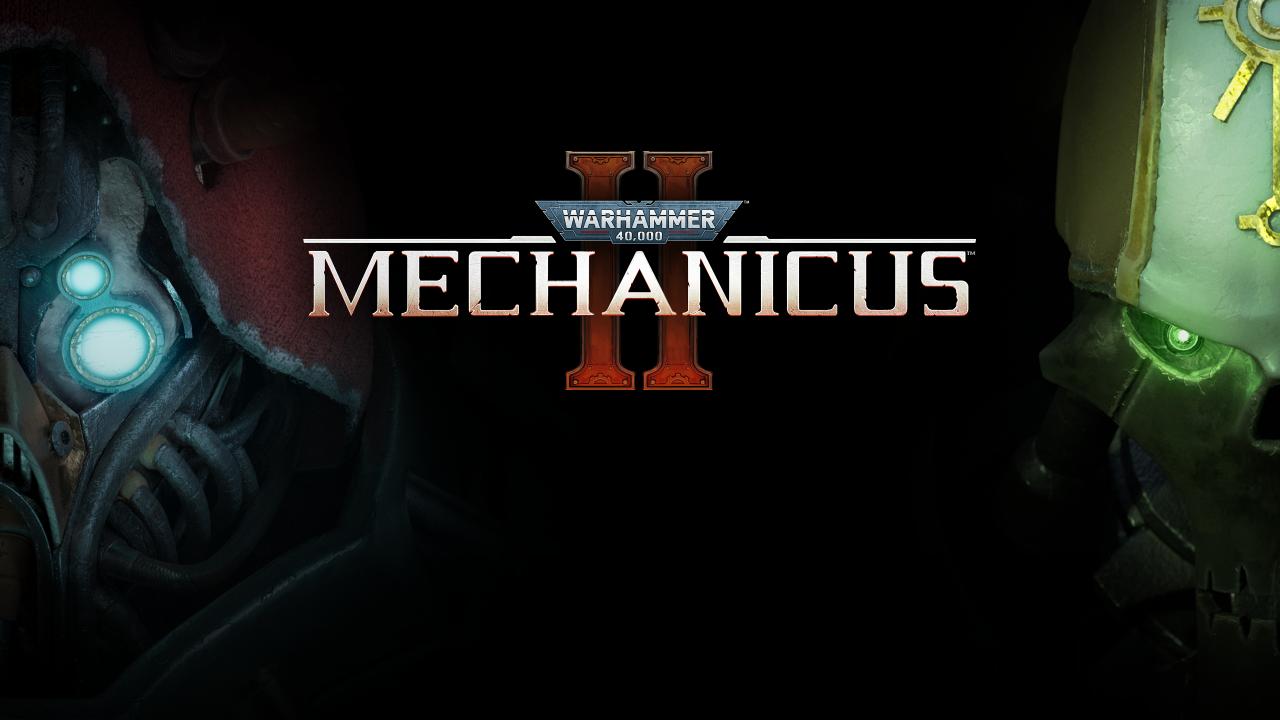
Warhammer 40,000: Mechanicus II, developed by Bulwark Studios and published by Kasedo Games, is the long-awaited sequel to the acclaimed 2018 turn-based strategy hit. This new entry continues the grimdark saga as Magos Dominus Faustinius leads a fresh force of Tech-Priests to Hekateus IV, a world known to its ancient, slumbering inhabitants as the Necron Tomb World of Qivroth.
Both factions desperately claim the planet as their own. The Adeptus Mechanicus desires a new Forge World, a planet entirely dedicated to planetary-scale industry to supply the Imperium of Man’s endless armies and their eternal quest for perfection through bionic replacement. Conversely, the Necrons seek to reclaim the overwhelming galactic dominion they possessed millions of years ago, back when they were still flesh and blood, ruling the galaxy through technological superiority.
In the Warhammer 40,000 universe, immortality comes at a steep price. To win their ancient war against the Old Ones, the Necrons underwent “biotransference,” a prideful process that immolated and replaced their organic bodies with self-repairing living metal called necrodermis. While it solved their immediate military casualties, it cost them their souls—a hollow triumph proving that even in a galaxy of endless warfare, tragic hindsight exists. Unfortunately, these philosophical musings must be put on hold because in the grim darkness of the far future, there is only war.
Command Your Faction
Following an introductory tutorial tracking the outbreak of this planetary war, the player is presented with a definitive choice: lead the snobbish, superior Necrons of the Sankhotep Dynasty to purge their tomb world of red-robed invaders, or guide the zealous, knowledge-hungry Tech-Priests in their holy quest to secure “archaeotech” for the Omnissiah.
Regardless of which side you determine to be correct (or just really cool), Mechanicus II delivers an unconventional, unit-based tactical experience reminiscent of XCOM. Combat focuses heavily on individual unit initiative rather than a bloody version of chess or classic weapon triangle systems. Additionally, percentages and luck-based critical damage are absent, relying rather on incremental buffs and faction leader abilities. Turns alternate dynamically between your forces and the enemy AI, continuing until victory is secured or inevitable defeat. A mysterious, non-playable third faction also appears throughout the campaigns to alternately help or hinder your progress based on your choices.
Resource management remains central to tactical success. The Adeptus Mechanicus utilizes Cognition Points, while the Necrons manage Dominion Levels. Both mechanics function similarly, granting powerful abilities to sway the tide of battle during tense skirmishes.
Your central faction commander can be slightly customized to your preferred playstyle, but due to limited choices, specific faction leader archetypes can only change so much. The tanky leaders who excel in close melee combat will never succeed through ranged gameplay. There are five leaders for each faction that use a variety of abilities to explore which aspects you enjoy the most. Personally, melee combat seems too limited by movement and action points to be a serious challenger for the ranged playstyle. While individual missions offer choices and skirmish variables early on, these choices admittedly carry less narrative weight and strategic impact by the late game, as top-tier upgrades eventually make your units less susceptible to random RNG events.
Narrative and Satirical Wit
Having played through Acts 1 and 2 of both campaigns, the contrast between the two factions’ motivations is highly engaging. The original Mechanicus featured brilliant storytelling by Black Library author Ben Counter, and that narrative excellence continues here. Mechanicus II leans beautifully into the hypocritical arguments used by both sides to justify their actions.
Remember, Warhammer 40,000 has always been a satirical setting filled with ridiculous characters, and this game is no exception. While some critics might argue that the stereotypical faction leaders lack sophisticated nuance through their dialogue, this simplicity actually enhances the setting. The stark, uncompromising dialogue perfectly illustrates the dubious morality of both sides, providing a welcome layer of grim amusement and levity between bouts of tactical bloodshed.
Presentation and Performance
The game’s writing and voice acting are wonderfully elevated by its visuals. The unique characters are brought to life through numerous animated cutscenes, detailed 3D models, and rich attention to detail across the background landscapes and skirmish terrains.
However, the visual experience is occasionally hindered by optimization issues. Frequent graphical screen tearing was noticeable during large-scale skirmishes as the unit count on screen increased. While these performance hiccups never impacted the mechanical, turn-based gameplay, they occurred often enough to lessen the enjoyment of the game’s biggest battles.
The Progression System
Where the game falters slightly is in its progression design. Mechanicus II offers less granular customization for individual leaders compared to the first game, which allowed players to highly adapt Tech-Priests with Power Axes, various articulated Mechadendrites, and distinct choices of armor. The sequel shifts its focus towards specific archetypes for faction leaders, leading to less customization based on individual playstyles.
Furthermore, the Adeptus Mechanicus technology tree is rigidly gated by campaign progression and the number of Forge World complexes you control. This creates pacing issues where players stockpile upgrade resources for long periods, only to immediately buy out an entire tier of upgrades at once after unlocking the next level. This erratic power scaling occasionally breaks the game’s balance, requiring players to manually increase the difficulty settings to maintain a proper challenge.
Coinciding with Games Workshop’s annual Warhammer 40,000 Skulls event, Mechanicus II arrives during a true golden age for Warhammer video games. Whether you are enjoying the tactical depth of this title, the intense third-person action of Space Marine 2, or the massive narrative scope of the Rogue Trader CRPG, fans are incredibly spoiled for choice.
Whether you enjoy reading the many novels, rolling dice on the tabletop, or painting miniatures, there is literally no wrong way to engage with this hobby. Mechanicus II is a fantastic addition to that ecosystem, giving players a highly enjoyable, dual-perspective look at two of the universe’s most fascinating factions. The game is a must-play for strategy fans and Warhammer lore buffs alike. Warhammer 40,000: Mechanicus II is available now on PlayStation 5, Xbox Series X|S, and PC via Steam. Respawn Station was provided early access for review.
